Work It Out or Act It Out: Retail Therapy
When was the last time you purchased out of boredom? How about unhappiness? Or to make yourself feel better? For many of us, shopping is more than just a way to grab a few necessities; it’s a hobby, a lifestyle and our favorite thing to do! Almost the moment we step foot out of our homes, we are surrounded by opportunities to spend.
Grocery stores fill the checkout lines with magazines, candies and small gadgets (just in case we “forgot” something). Gas stations are small-scale drug stores. Even our cell phones offer us opportunities to do some serious damage to our bank accounts without even leaving our beds!
The advertising industry will make you believe that you need something. Often when we are spending on things we don’t actually need, we gauge our want on our emotional state. When was the last time you justified an expensive (and out of your budget) purchase with a “I had a rough day and I deserve it” excuse?
If you have a closet full of clothes with the tags still on them (or a ton of fun tech toys that you barely use), you fall into the accumulator category. Often, accumulators of stuff are trying to cope with other issues in their lives by spending. More specifically, they spend excessively to deal with their inner pain and discomfort.
Most unhealthy behaviors are the result of emotional conflict or unrest within the individual. Don’t let capitalism override your sensibilities. Accumulating a lot of stuff may bring you a feeling of comfort in the moment of spending. It may even make you happy to see the things in your home; possessing a lot of stuff can have the affect of making you feel valuable and important. But remember that the root of this issue isn’t positive; it’s detrimental to both your bank account and your emotional stability.
You are more valuable than the dollar amount hanging in your closet. The price of your car has nothing to do with your worth as an individual. Accumulating a lot of stuff may satiate your appetite for a moment, but you’ll be left with the same negative feelings after the rush dies down.
Action step
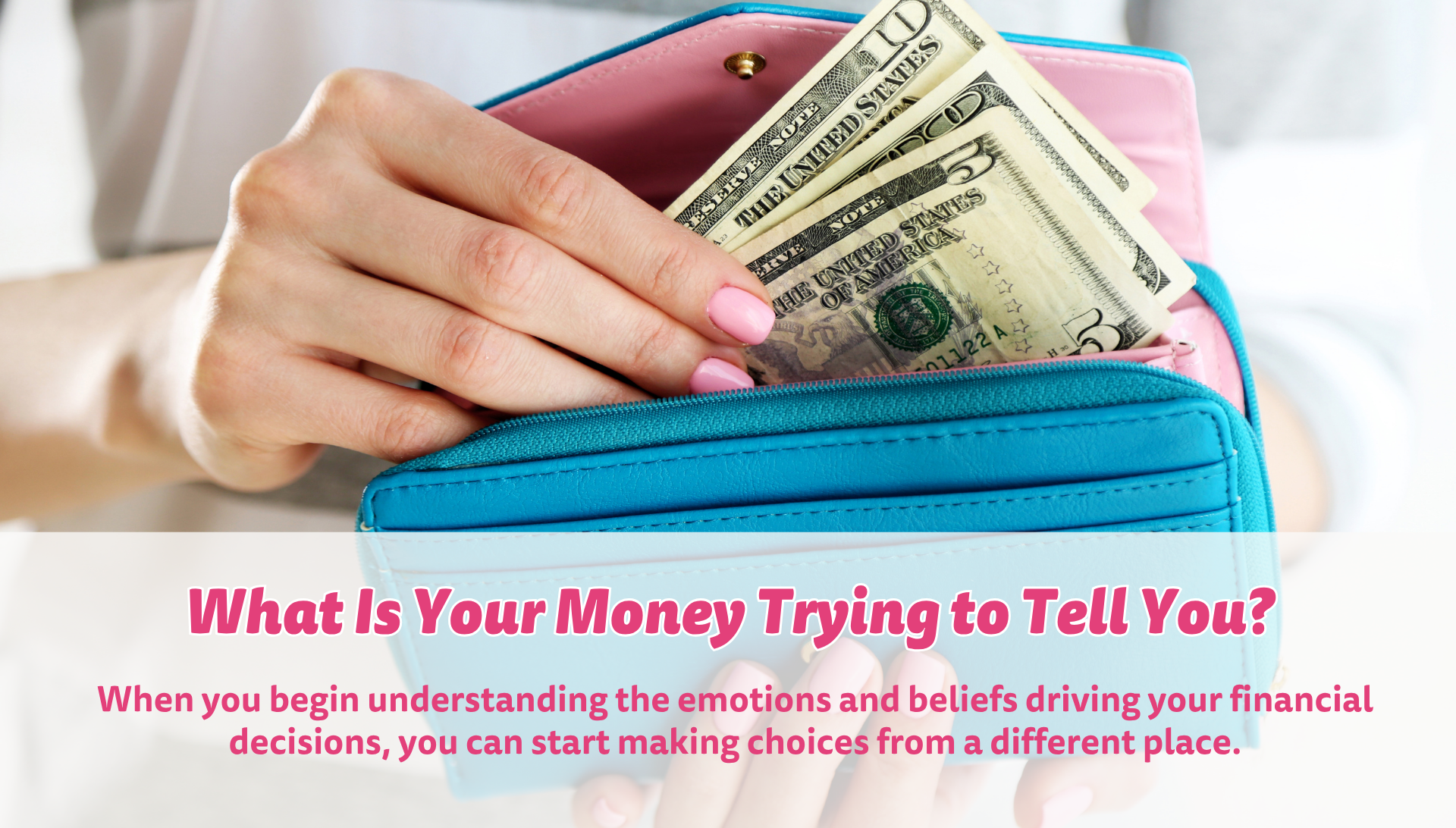
If you’re struggling with spending, here’s a great exercise to try. At the beginning of your next pay period, get $100 in cash out of your bank account and keep it in your wallet. Don’t spend it. Examine the wave of emotions that come over you throughout the week in relation to that money.
This is a good exercise in uncovering money emotions you may be unaware of you. Will you end up spending the money? Probably. We all succumb to money stress sometimes, especially those of us who have a habit of spending. But keep doing this every pay period. Eventually, the urge to spend that money will subside.
The post Work It Out or Act It Out: Retail Therapy appeared first on Julie Murphy.
Share Blog On Social


Recent Blogs


Similar Blogs